
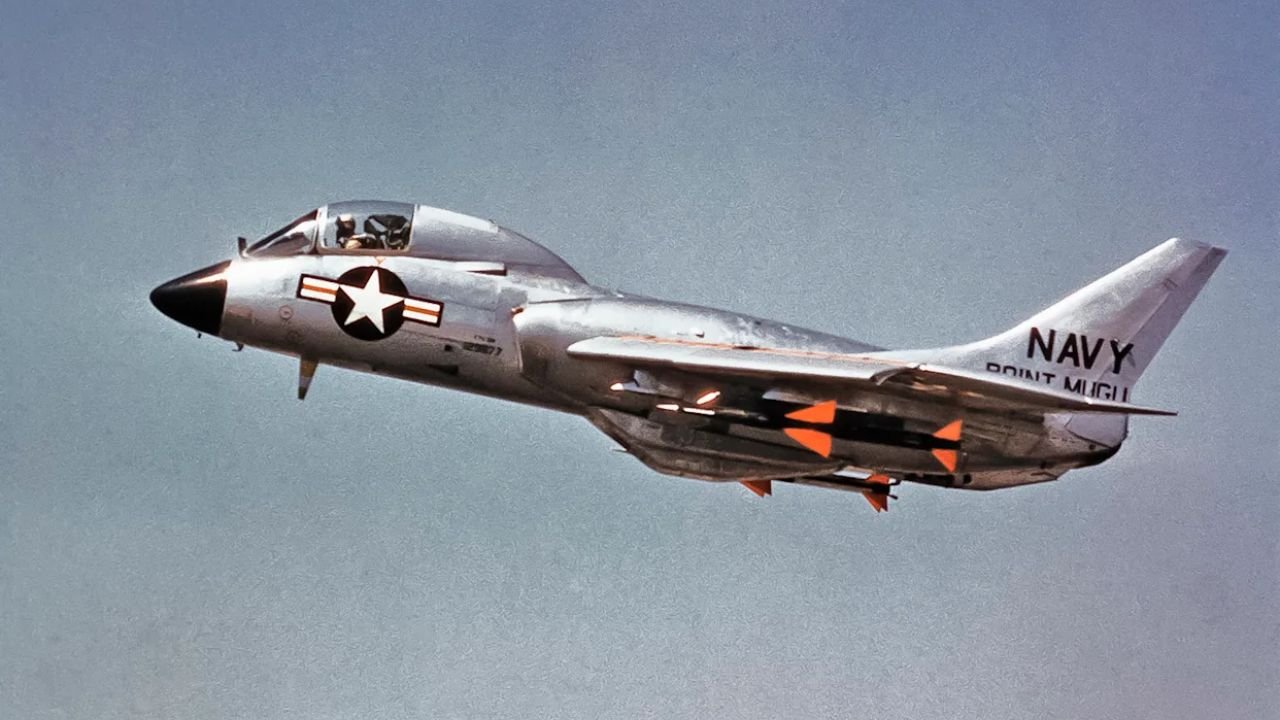
The United States Navy, which is regarded as one of the most powerful naval forces in the world, has flown numerous successful fighter aircrafts out of its massive combat aircraft carrier force. Behind all success however, there are millions of failures. Sea takeoffs are extremely difficult it is cramped decks, the action of saltwater, strong winds, and limited landing ranges, and a single failure in technical should be fatal. We will get to know those planes which were hyped and failed miserably in their performance and safety.
1. Curtiss Seamew: Instability and Engine Problems
This was a scout floatplane, although its stability was never much to be depended upon. Wingtips were made rounded upwards in order to enhance balance, but still there were issues in control. The engine frequently got overheated and in rough waters the fuselage would bend such that the propellers would be susceptible to hitting the floats.
2. Brewster Buffalo: Weight Gain, Performance Decreased
This fighter was originally viewed as light and agile but became heavier due to the constant changes. Its climb rate was lowered by the introduction of more weapons and armor. It was badly defeated in the Battle of Midway and soon went out of commission.
[also_read id=”2668″]
3. Douglas TBD Devastator: Victim of Outdated Technology
This 1930s torpedo bomber was obsolete by the time the war began. It had already been destroyed. Its slow speed and unreliable torpedoes cost it heavy losses at Midway. Only four of its 41 aircraft returned—a clear indication of its limitations.
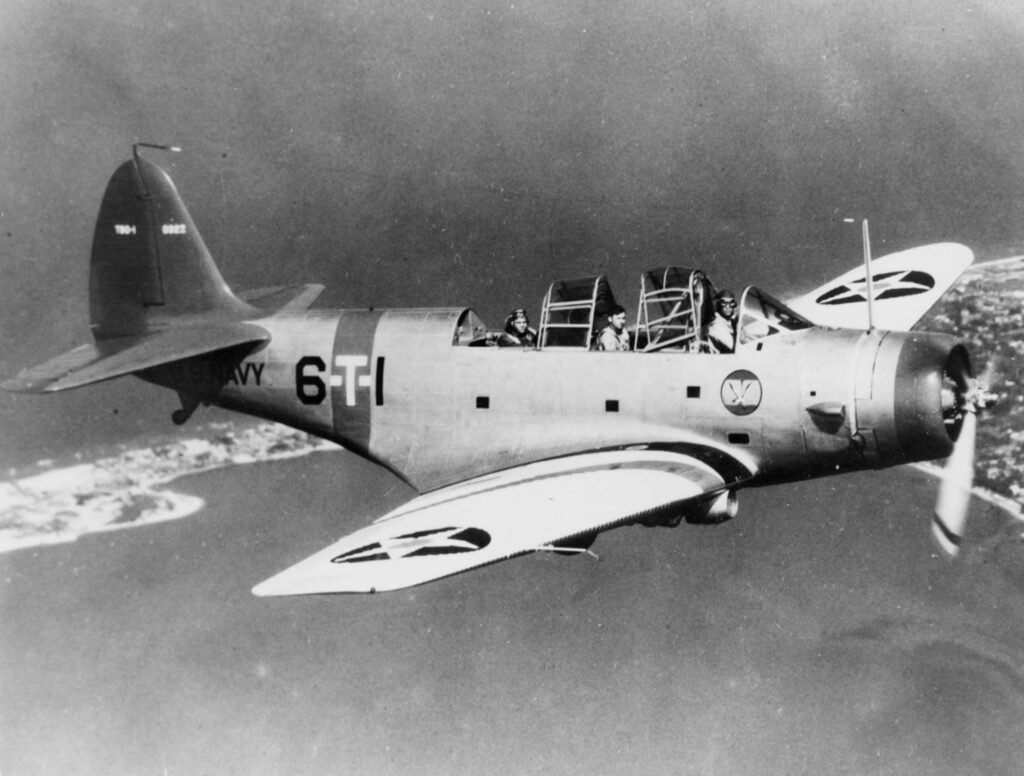
4. Vought Cutlass: Futuristic Design, But Dangerous Results
delta wing and unique This jet had a modern appearance, but its engine power was low and the hydraulic system frequently failed. 78 of 320 aircraft were destroyed in accidents—it was considered the Navy’s most dangerous jet.
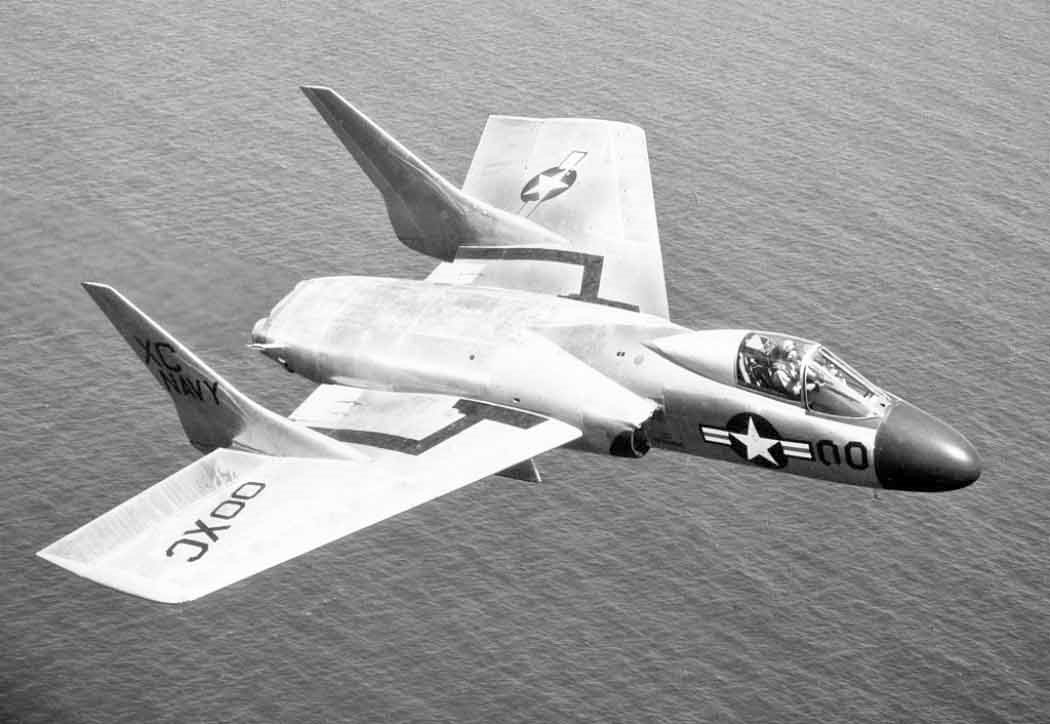
5. Vought F6U Pirate: Unfinished Power
This jet fighter failed to achieve the expected speed and power. Tests declared it “unsuitable for combat use.” Several aircraft flew only a few hours, and the program was discontinued.
6. Curtiss SB2C Helldiver: Unstable and Heavy
Introduced as a dive bomber, this aircraft struggled with structural weakness and low power. The significant weight gain reduced its agility.
7. McDonnell FH Phantom: Limitations of Early Jets
This was the Navy’s first all-jet aircraft, but its speed and weapons capability were limited. It was soon confined to the training role.
8. Ryan FR Fireball: Two Engines, Two Problems
The combination of piston and jet engines was experimental. The structure proved weak, and nose gear failures during landing were common.
9. McDonnell F3H Demon: Engine Failures
The Westinghouse engine failed to deliver the expected power. Early models suffered from increased accidents, leading to the nickname “Lead Sled.”
[also_read id=”2640″]
10. North American A-5 Vigilante: Ambitious but Expensive
Equipped with advanced technology, this aircraft was originally designed as a nuclear bomber, but the bomb-release system proved complex. Later, it was used for reconnaissance missions, but this was burdensome in terms of cost and deck space.
Conclusion: Failures Also Teach
The history of these airliners is not just technical deficiencies, but also the great bravery of the pilots who took risks to be onboard the planes and fly them. The failures of every experiment led to the next generation of better aircrafts. It is not that easy to balance the sea and sky, but it is based on these struggles, that modern naval aviation gained forces.
FAQs
1. Why were some early US Navy aircraft considered failures?
Many early aircraft suffered from weak engines, structural instability, poor carrier landing performance, and unreliable weapons systems.
2. Which US Navy aircraft was considered one of the most dangerous?
The Vought Cutlass was considered extremely dangerous due to frequent hydraulic failures and a high accident rate.
3. What problem did the Douglas TBD Devastator face in World War II?
It was slow, outdated, and used unreliable torpedoes, leading to heavy losses during the Battle of Midway.
4. Why was the Brewster Buffalo removed from frontline service?
Additional weight from armor and weapons reduced its speed and maneuverability, making it less effective in combat.
5. Did these failed aircraft contribute anything positive?
Yes, their shortcomings provided valuable lessons that helped improve future naval aircraft design and safety.