
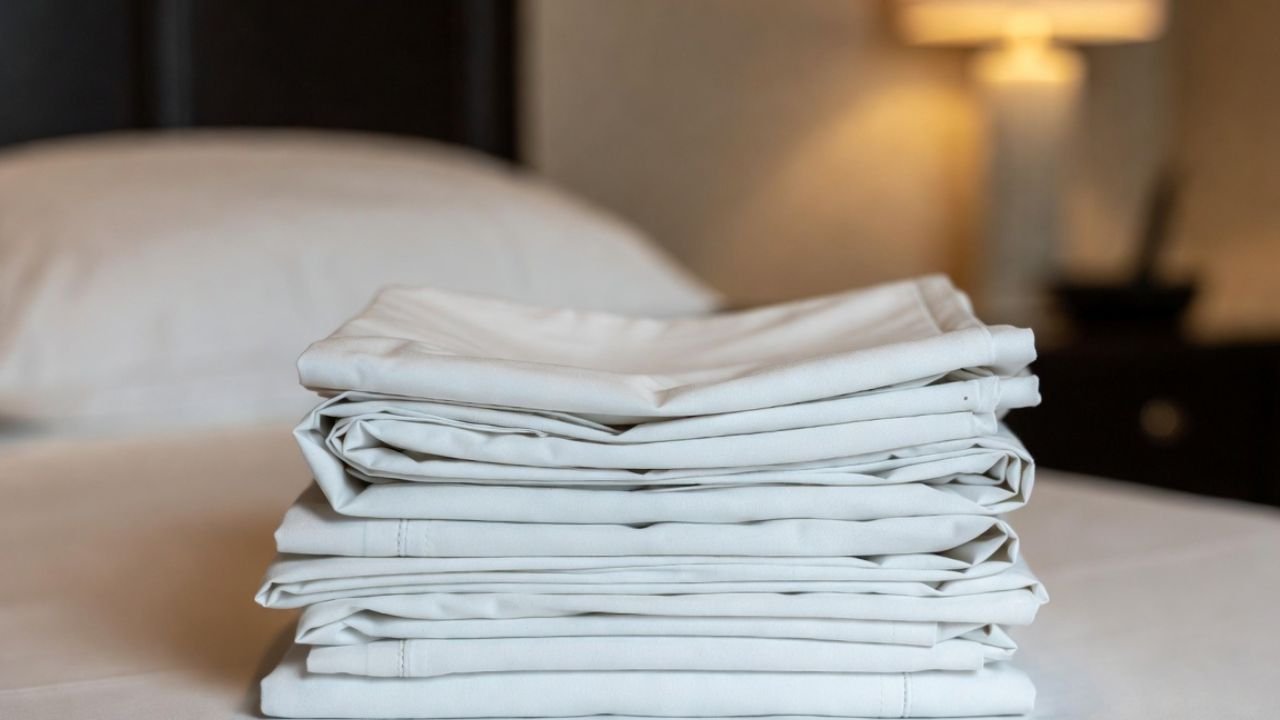
When you go to bed at night, the first thing you notice is its subtle fragrance. The scent of sun-dried cotton, the faint scent of detergent, and the scent of your own body hidden beneath. As you lie down under the sheets, they reach your shoulders, giving you a sense of comfort. It’s your own little world of comfort, where the day’s fatigue melts away. But at this very moment, a small question often comes to mind—”When was the last time I changed these sheets?”
We often joke with friends that we change our sheets every Sunday, but the truth is, we often don’t remember the last time. This raises an interesting question: how often should we actually change our sheets? And does it also depend on whether you shower in the morning or at night?
The Hidden World of Your Sheets
Every night, your bed becomes a tiny ecosystem. This isn’t scary; it’s a natural process. While we sleep, our bodies breathe, sweat, shed hair, and shed old skin cells. Scientists estimate that humans lose millions of skin cells daily, and a significant portion of these accumulate on our sheets.
These skin cells are also mixed with body oils, sweat, hair, and the day’s dust and dirt. If you live in a city, airborne pollutants, pollen, and pet dander can also reach your sheets. While this isn’t a cause for concern, our bodies are accustomed to living with these common microorganisms. Over time, the amount of dirt and allergens on sheets increases, diminishing their freshness and comfort.
Bath time changes the whole equation
The most interesting thing here is that the time to clean sheets depends not only on the day but also on your habits. Especially when you shower—at night or in the morning.
If you shower at night, you wash away the day’s dirt, sweat, and pollution and go to bed with a clean body. This means your sheets will accumulate less dirt and stay clean longer.
But if you shower in the morning, the day’s sweat, dust, and pollution come to bed with you. This can cause your sheets to get dirty faster and require changing more frequently.
How often should you actually change your sheets?
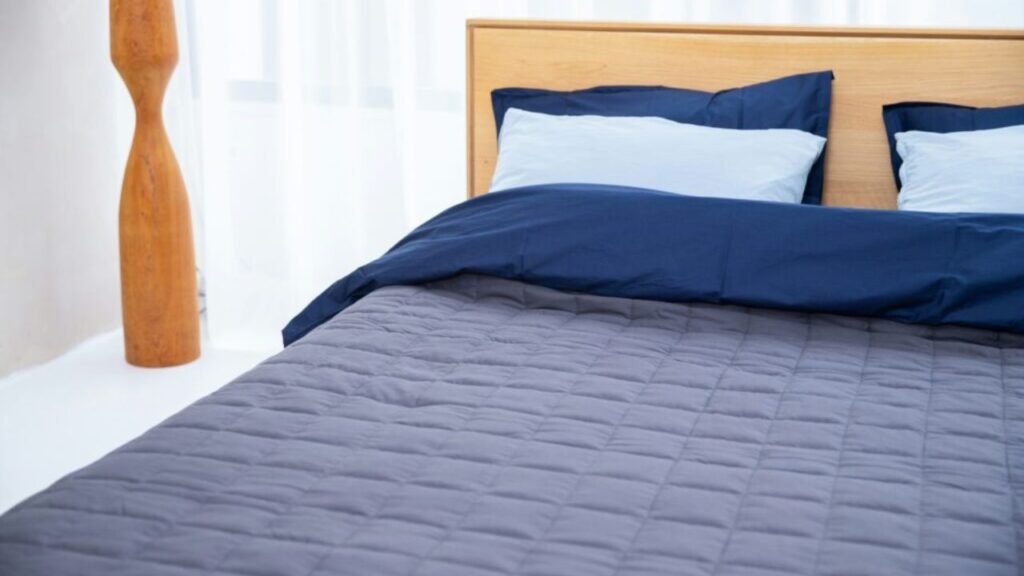
People often hear the same rule—change your sheets every week. But real life isn’t that simple. The right time depends on your lifestyle.
If you shower at night, don’t sweat much, and don’t have pets in your bed, you can change your sheets every 10 to 14 days. If you sleep with your partner or pets, it’s best to change them every 7 to 10 days.
On the other hand, if you shower in the morning and engage in normal activity, it’s best to change your sheets every 7 days. If your daily routine involves excessive sweating, gym work, or city pollution, changing your sheets every 3 to 5 days may be more appropriate. For those with allergies, asthma, or sensitive skin, changing your sheets every 3 to 7 days is beneficial.
Understanding Your Body’s Signals
Sometimes, our bodies give us more signals than the calendar. If the bedsheets don’t feel as soft as before, a slight odor begins to appear, or if we wake up with a stuffy nose or sticky skin, these could be signs that it’s time to change our sheets.
Pillow covers deserve special attention, as our faces rest on them for many hours. Therefore, while changing sheets every week is recommended, it’s best to change pillowcases more frequently.
Some Small Habits That Keep Sheets Clean Longer

If you want your sheets to stay clean and fresh for longer, a few small habits can help. Making the bed daily, putting on clean clothes before bed, avoiding eating in bed, and removing the blankets in the morning to let the bed air out—all of these can keep sheets fresh longer.
The Right Balance Between Comfort and Cleanliness
Finally, it’s important to understand that every home and every person’s routine is different. Keeping your sheets perfectly clean doesn’t have to be like a hotel. The real goal is to make your bed comfortable, feel good for your skin and breath, and allow you to sleep soundly.
So, the right time to change your sheets is when your body signals. Whether you shower at night or in the morning, your habits determine the right rhythm for your sheets. Ultimately, the secret to good sleep is to truly feel like you’re in bed—this place is made for rest.