
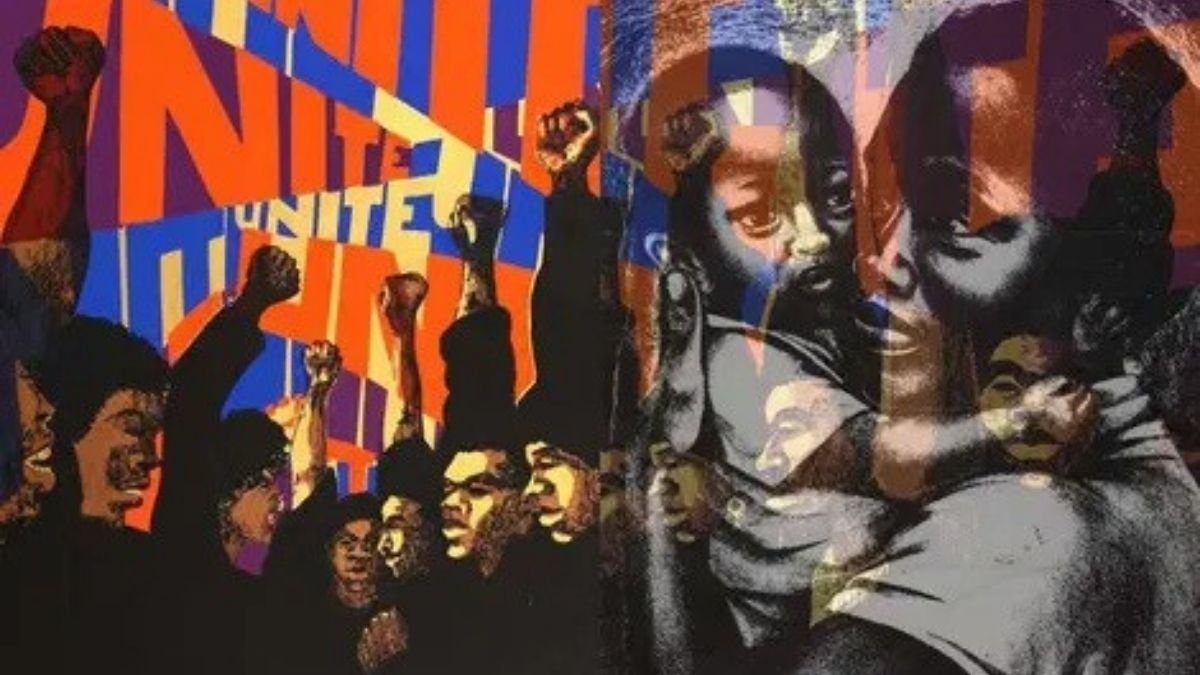
African American Performing Arts in New Mexico: New Mexico is often recognized for its Hispanic, Native American, and Spanish heritage, but the African American community has also made a profound and significant contribution to the state’s cultural identity. While New Mexico may not have the same level of documentation of African American performing arts movements as other parts of the country, the Black community here has fostered a rich cultural tradition through its resilience, self-reliance, and community solidarity. Through mediums such as music, drama, poetry, religious songs, and dance, African American artists have not only preserved their identity but also raised their voices against discrimination and social inequality.
Early History and Roots
Blackdom: A Self-Sufficient African American Settlement
In the early twentieth century, Blackdom, located near Roswell, New Mexico, represents a crucial chapter in African American history. It was a completely Black-owned and operated agricultural colony where the community not only engaged in farming and commerce but also fostered a vibrant cultural and social life. Churches, religious gatherings, community celebrations, and social events were central to life in Blackdom. It was here that traditions of song, spirituals, and oral storytelling took shape, laying the foundation for African American performing arts.
In these gatherings, art was not merely a form of entertainment but a symbol of unity, self-respect, and cultural identity. Despite challenging circumstances and limited resources, the residents of Blackdom kept art an integral part of their lives.
Urban Centers: Albuquerque and Las Cruces
As the African American population migrated to urban areas of New Mexico, cities like Albuquerque and Las Cruces became centers of cultural activity. In these cities, churches, social clubs, fraternal orders, and small businesses provided platforms for artists. Formal theaters or performing arts centers were scarce at the time, so church halls and community buildings became the primary venues for music, drama, and poetry readings.
The artists who emerged in these urban centers expressed their experiences through jazz, gospel music, spoken word, and drama. These performances were not only entertaining but also served as a means of conveying social messages and raising collective consciousness.
The Role of Entrepreneurship and Self-Reliance
The African American community in New Mexico was long denied access to mainstream opportunities. This led many to create their own platforms to showcase their art and talent. Local newspapers, catering businesses, music groups, and small entertainment ventures are examples of this self-reliance.
These efforts gave rise to local performance traditions, where artists could organize events according to their own culture. This entrepreneurship not only provided a means of economic independence but also proved to be a powerful strategy for keeping the arts alive.
Impact and Key Themes
Cultural Preservation
African American performing arts played a crucial role in cultural preservation in New Mexico. In a state where other cultures were considered more dominant, the African American community preserved its traditions, stories, and history through art. Cultural knowledge was passed down through generations through songs and plays.
Community Unity and Identity
Music, dance, and theater served to unite the community. Collective performances and celebrations instilled a sense of pride in their identity. According to many, institutions like the African American Performing Arts Center provided safe spaces where people could celebrate their culture without fear.
Resistance and Self-Respect
Art has always been the voice of the African American struggle. Artists in New Mexico also challenged racial discrimination, social injustice, and stereotypes through their songs, poems, and performances. This tradition aligns with the Black Arts Movement seen at the national level, where art was used as a medium of resistance and self-respect.
Legacy and Modern Presence
Historical Exhibitions and Recognition
Today, institutions like the New Mexico History Museum are working to bring these stories to light. Exhibitions like “Visible, Vital, Valuable” have presented African American contributions in a historical context. These include highlighting the roles of religious and cultural leaders such as Elder Uland Greer of God’s House Church, as well as entrepreneurs and artists.
Diverse Expressions in the Modern Era
Today, African American artists in New Mexico are giving new direction to their voices through digital media, literature, visual arts, and performing arts. Contemporary works reflect Black experiences in the American Southwest, where identity, history, and contemporary life intersect.
Ongoing Efforts and the Future
Many organizations and individual artists continue to create platforms to promote African American art. Through YouTube, local programs, and cultural events, new generations are being connected to their history. These efforts ensure that African American performing arts remain a vibrant and essential part of New Mexico’s cultural heritage.
Conclusion
The story of African American performing arts in New Mexico is a story of struggle, resilience, and creativity. From settlements like Blackdom to modern digital platforms, this community has used art to express its identity. They not only preserved it, but also enriched the state’s cultural diversity. This heritage remains as vibrant, valuable, and inspiring today as it was in its early days.