
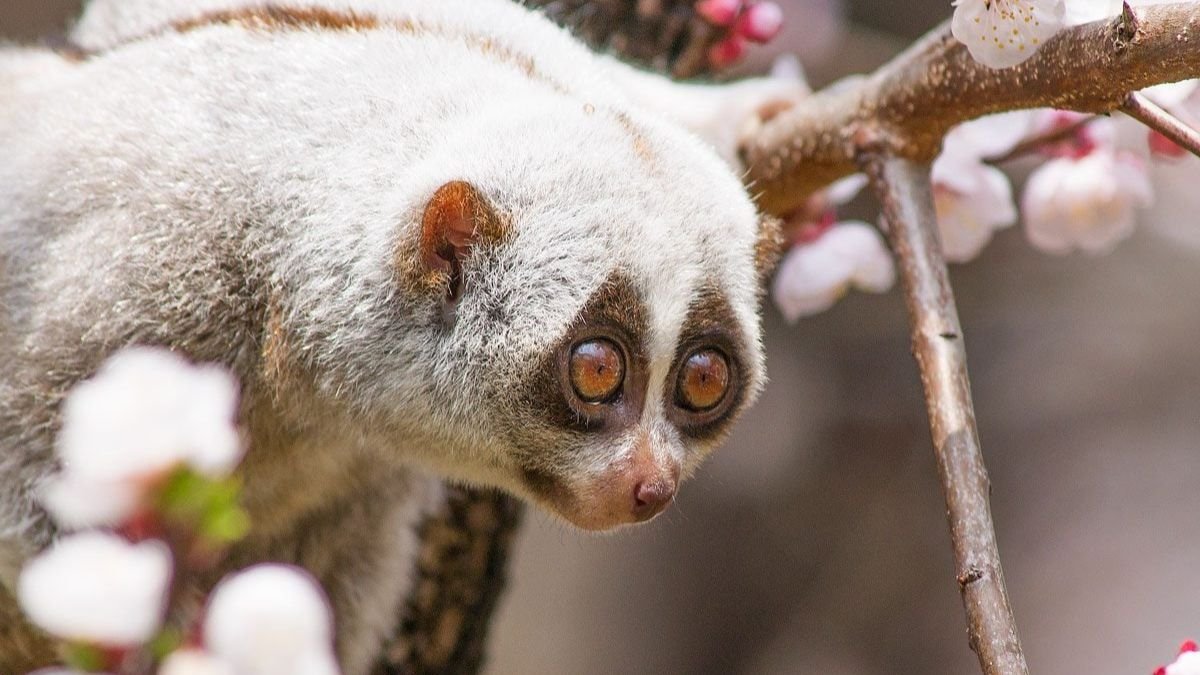
The Dark Truth Behind Our Love for Adorable Animals: Have you ever wondered if it would be legal to keep a lion, a camel, a dingo, or even a crocodile as a pet in some countries? It sounds strange, but in some places it is possible. While a license from the local authorities is required to keep highly dangerous animals, small and seemingly “cute” exotic animals often don’t require any special paperwork. This is why the market for such animals is booming, as people seek unique and different pets.
Social Media Drives Demand for Exotic Pets
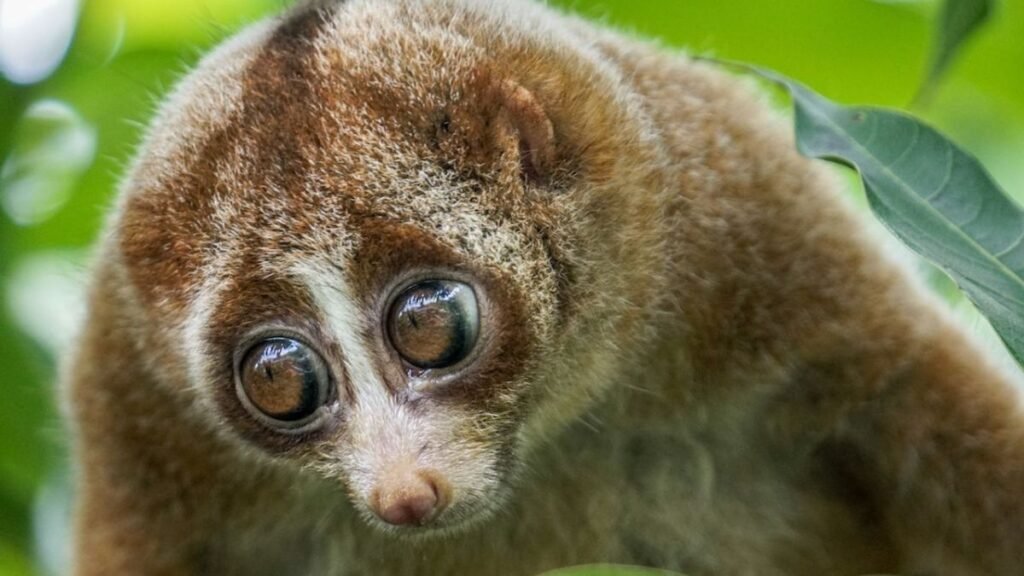
Today, social media has further accelerated this trend. Small creatures like sloths (an animal resembling a sloth bear), sugar gliders, and pygmy marmosets are extremely popular on the internet. Their innocent appearance and unique behavior instantly attract people. For example, British socialite Tamara Ecclestone even invited a sloth to entertain her daughter’s birthday party. But the truth is that animals like sloths are not social and naturally prefer to live alone in dense rainforests. Keeping them indoors is completely contrary to their nature.
The Truth Behind “Cute” Videos
The funny animal videos that go viral on the internet may seem innocent, but they often hide a painful truth. According to one study, 83% of the animals shown in such “funny” videos show signs of stress and about 30% are in pain. Yet, the influence of social media is so strong that people ignore these ethical questions. As a result, the illegal trade of rare and wild species is on the rise.
Rescue Centers Growing Concern
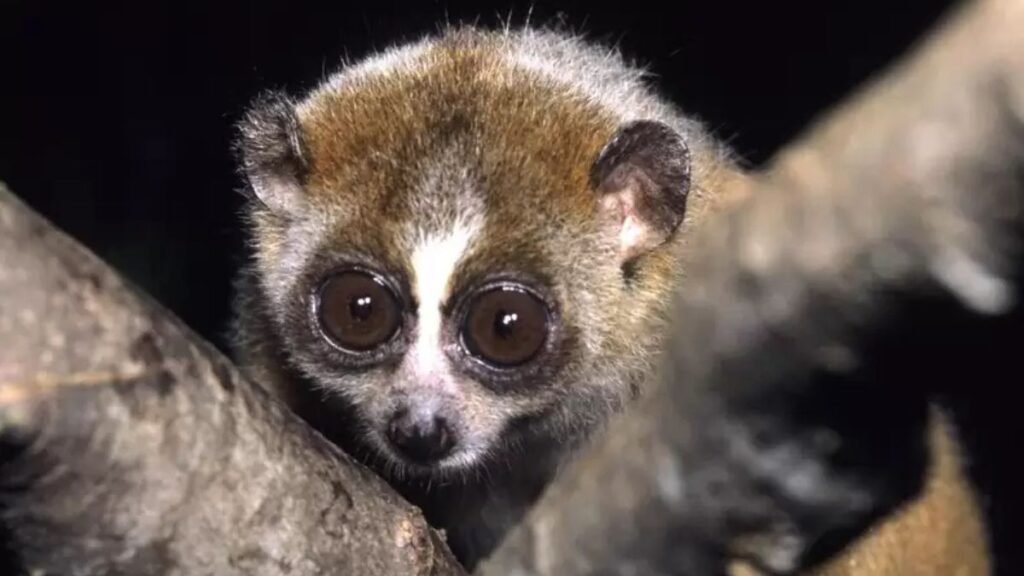
Lindsay McKenna, who runs Wildside Exotic Rescue in Herefordshire, says that the trade in wild animals has grown “explosively” over the past ten years due to social media trends. Her center has encountered several strange cases—such as a capybara found in a residential colony, four mountain lions kept in a garden, and a monkey kept in a hamster cage and fed biscuits and chewing gum. This shows that people are attracted to animals but fail to understand their needs.
A Mirror of Morality: Our Treatment of Animals
The moral state of a society can be judged by how it treats animals. Can we accept that every species has its own independence and unique identity? Or have we become so selfish that we want to own whatever we find cute—just like Veruca Salt’s insistence on having everything immediately. Domesticating wild animals is not just a fad but can also pose a serious threat to their lives and survival.
Conclusion:
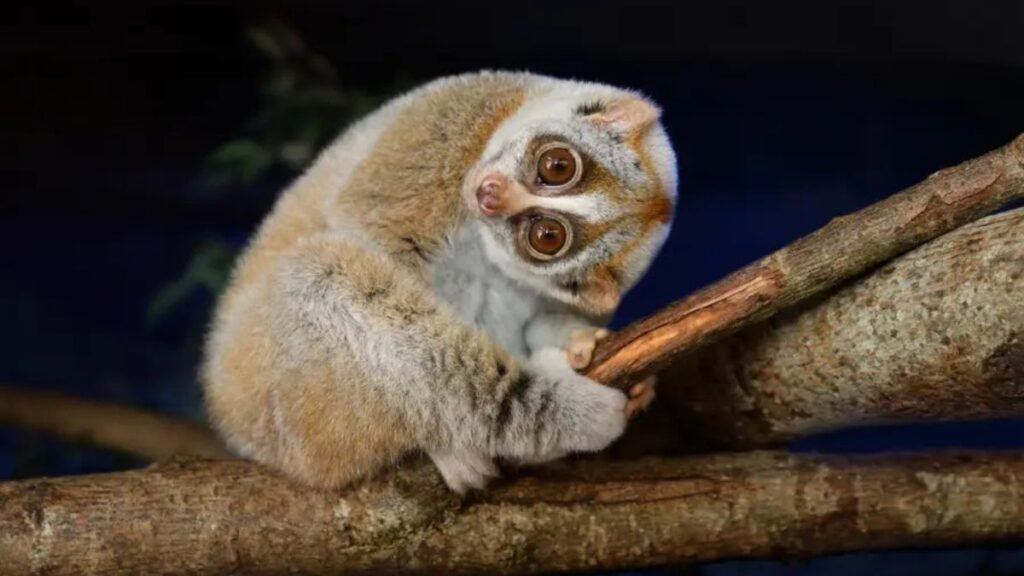
While owning exotic pets may be attractive, it’s crucial to understand the ethical, environmental, and humane implications behind it. True animal love perhaps lies in observing them in freedom and protecting them, not in adorning our homes.
FAQs
Q. Is it legal to keep wild animals as pets in some countries?
A. Yes, in certain countries it is legal, but dangerous species usually require special licences.
Q. Why are exotic pets becoming popular?
A. Social media has made cute and unusual animals go viral, increasing demand for exotic pets.
Q. Are animals like sloths suitable as pets?
A. No. Sloths and many exotic animals are not social and suffer outside their natural habitat.