
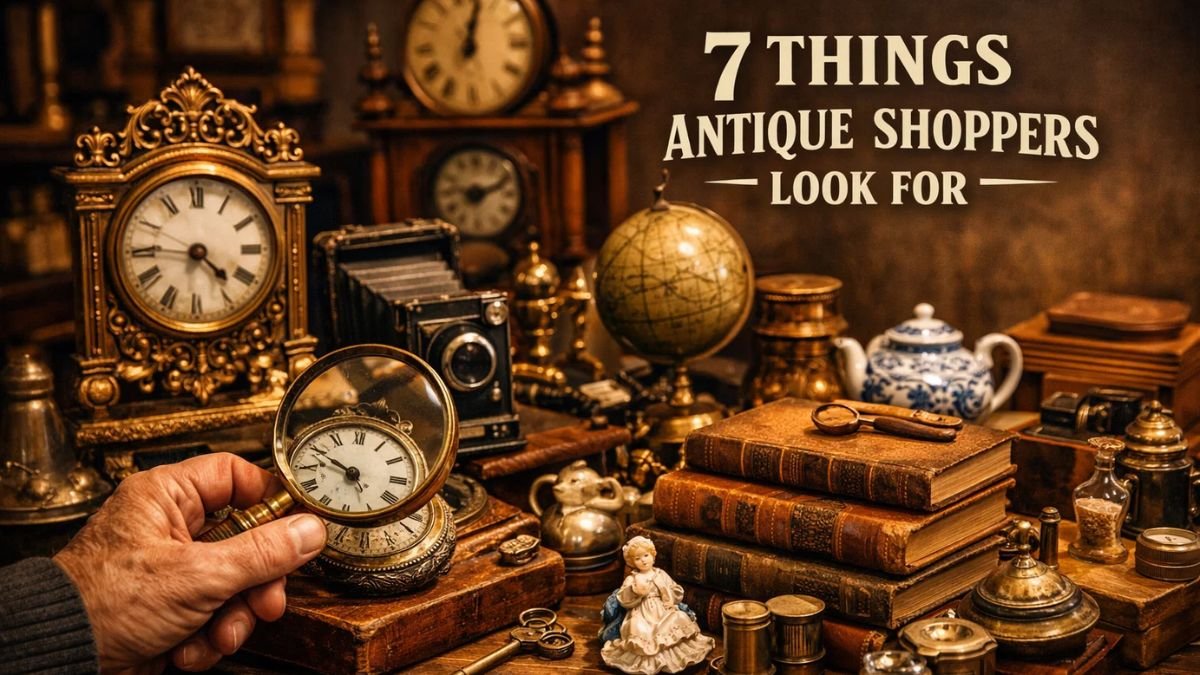
Stepping into an antique shop or wandering through a secondhand market often feels like entering a treasure hunt. There is a unique thrill in discovering something old, rare, beautifully crafted, or simply full of stories waiting to be retold. For casual shoppers, secondhand shopping is mostly about finding a good deal or picking up something pretty. But for seasoned antique hunters, the process is far deeper and more thoughtful. They walk into each store with trained eyes, sharp instincts, and years of experience guiding their choices. They know exactly what to look for, what to avoid, and how to spot value where others might see only dust and age. Understanding these secrets not only helps you make smarter buying decisions but also elevates your entire shopping experience.
Patina: The Beauty of Age That Cannot Be Faked
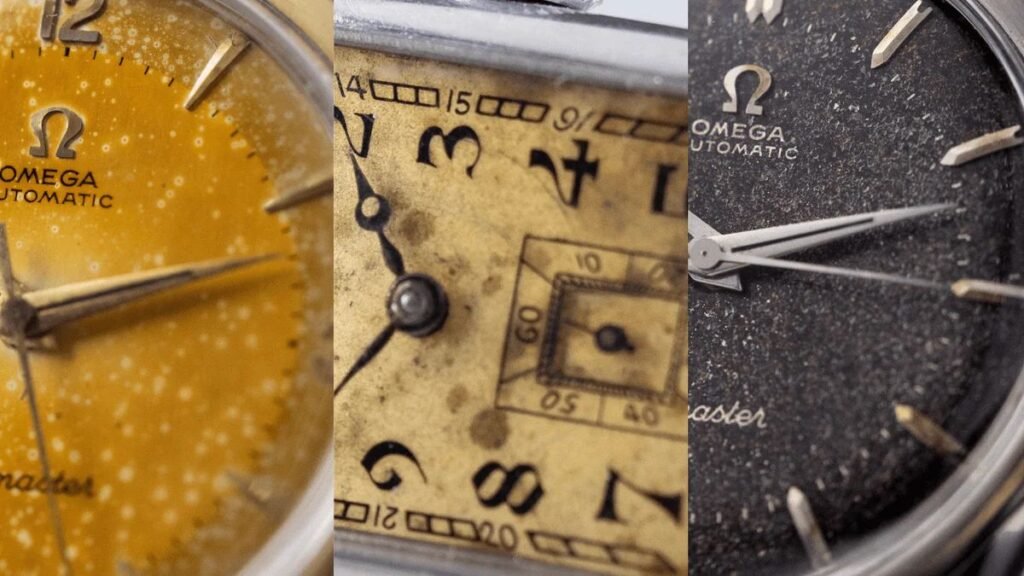
One of the first things experienced antique buyers examine is the patina. Patina is the natural sheen, deepening color, or surface wear that develops on an object over decades of use. It tells a story of authenticity that artificial aging processes simply cannot replicate. When a seasoned collector picks up a brass candlestick, wooden chair, or silver tray, they run their fingers across the surface, looking for that subtle richness that only time can produce. Patina is not damage; rather, it is the soulful character of the piece. A real patina boosts both the beauty and value of an antique, making it a key element experts never overlook. It gives each item a sense of history and identity, making it stand out from mass-produced replicas.
Craftsmanship: The Mark of a Time When Things Were Made to Last
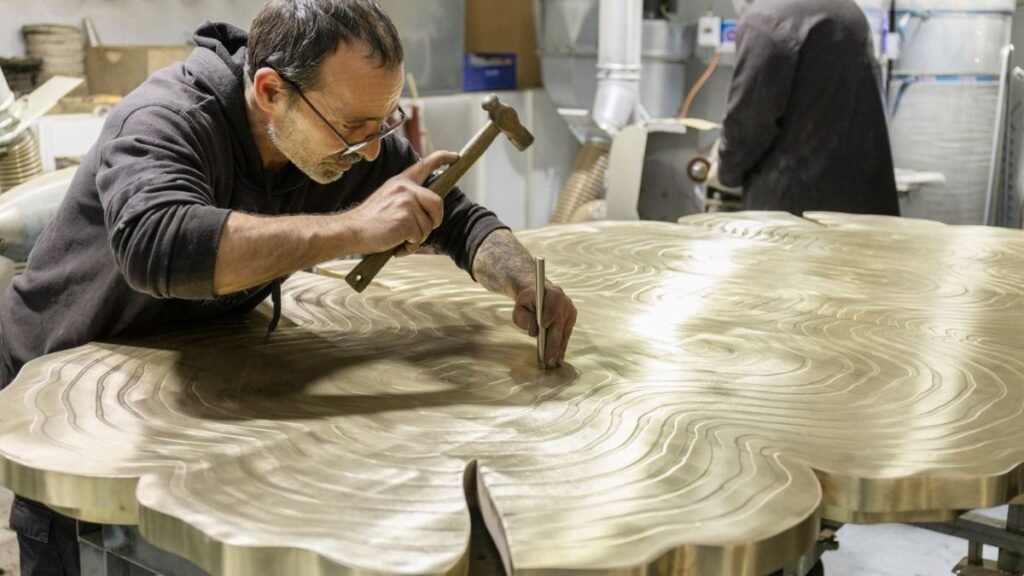
Another essential thing that seasoned antique shoppers always look for is craftsmanship. Older furniture, cutlery, décor, and accessories were often handmade or produced with techniques that today’s fast-paced manufacturing no longer uses. This handwork leaves behind small clues such as dovetail joints in wooden dressers, hand-hammered patterns in metal items, or slight asymmetries that reveal human touch rather than machine precision. Skilled buyers carefully observe how drawers slide, how legs are attached, and how patterns align. They know that craftsmanship is the backbone of long-lasting value. Good craftsmanship often reflects an era when artisans took pride in their work, and this pride is evident in the quality, durability, and detailed artistry of the object.
Maker’s Marks and Signatures That Reveal Hidden Value
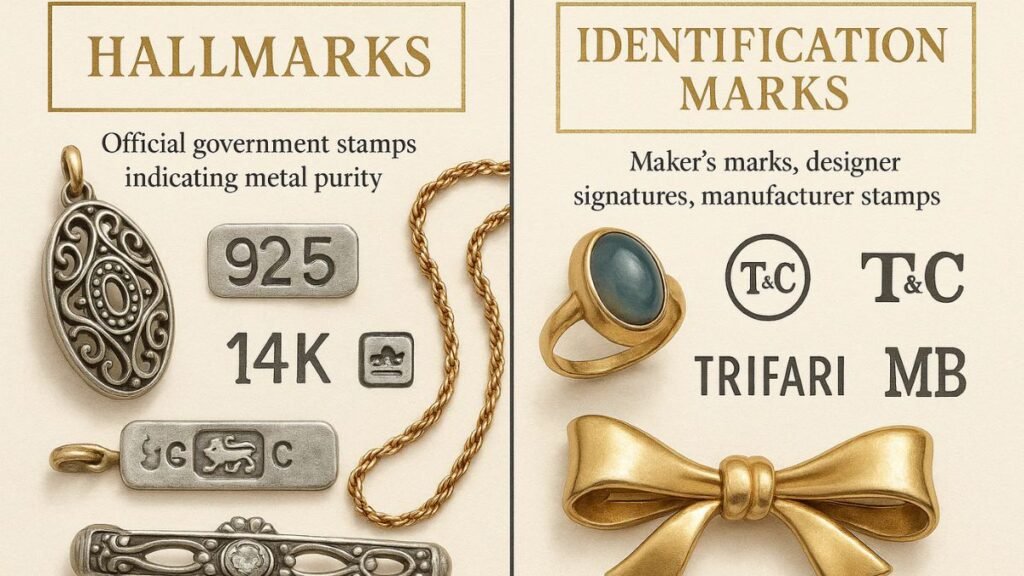
Every serious antique hunter understands the power of a maker’s mark. These tiny signatures, stamps, engravings, or labels found on the bottom or back of objects can completely change an item’s worth. A seemingly ordinary vase can turn into a prized collectible if it bears the insignia of a renowned artist or manufacturer. Professionals spend time inspecting every angle of a piece, searching for dates, initials, or brand marks that confirm its origin. They also pay attention to whether these markings are worn naturally, which adds credibility to the item’s age. The presence of a genuine mark often not only verifies authenticity but also provides insight into the item’s history and rarity. This is why many seasoned shoppers carry magnifying glasses or smartphone flashlights to help them inspect even the tiniest details.
Condition and Repair History That Tells the Truth
While age is part of an antique’s charm, its condition still plays a critical role in determining its value. Experts know how to distinguish between acceptable aging and damage that lowers the worth. They check for wood rot, deep cracks, water stains, insect infestation, and poorly executed modern repairs. Some repairs, if done skillfully and historically accurate, may even enhance the item’s usability without affecting its value. However, sloppy glue work, replacement parts that don’t match the original era, and structural instability are red flags professionals always avoid. Seasoned antique lovers understand that condition is not just about appearance but also about long-term durability and historical integrity. They evaluate each flaw carefully, deciding whether it enhances character or compromises authenticity.
Provenance: The Story That Makes an Object Truly Special
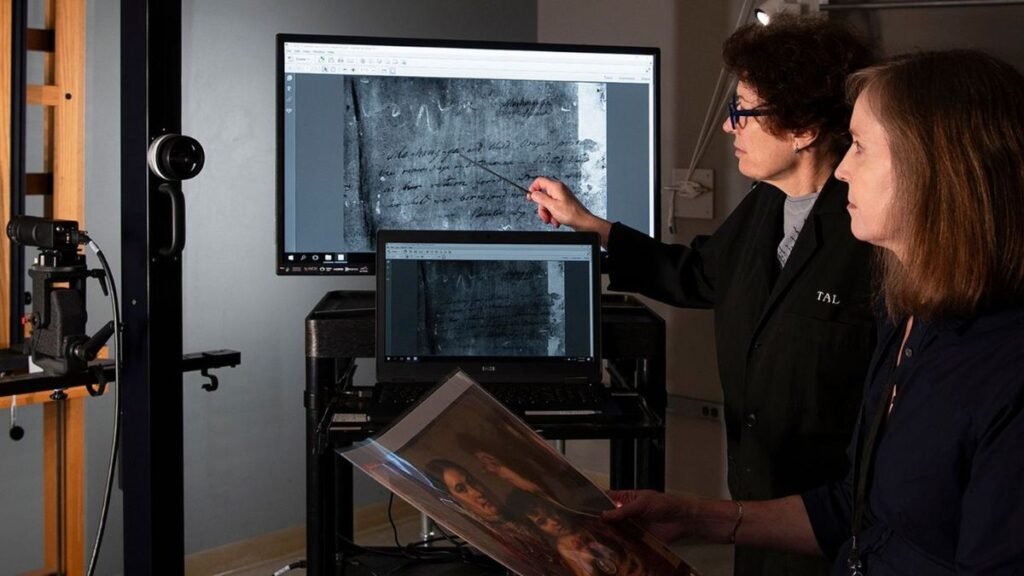
One of the most fascinating aspects of antiques is their provenance, or the history of ownership. Seasoned shoppers are always excited when a seller can provide details about where an item came from, who owned it, and how it was used. Documents, old photographs, engravings, or even family stories add extraordinary depth to a piece. Provenance can turn a simple wooden desk into a cherished relic if it once belonged to someone notable or was part of a meaningful moment in history. Even if the previous owner was not famous, knowing the item’s journey adds emotional and monetary value. Experts understand that people do not just buy objects; they buy stories. And the richer the story, the more desirable the antique becomes.
Rarity and Uniqueness That Make a Piece Stand Out
What truly excites long-time antique buyers is discovering something rare. Rarity does not always mean expensive; it simply means uncommon or difficult to replace. A piece could be rare because it was part of a limited edition, created by a lesser-known artisan, crafted using a technique that no longer exists, or preserved far better than others from the same era. Experienced collectors keep mental lists of items they seldom see in markets, allowing them to instantly recognize when something unusual crosses their path. They know that rarity often increases long-term value, making it an excellent investment. Owning something rare also gives buyers a sense of pride, knowing they possess a piece that few others will ever have.
Functionality and Personal Connection That Justifies the Purchase
Seasoned shoppers do not just buy antiques for the sake of collecting. They buy things that they can use, display, or connect with emotionally. An antique may be old, beautiful, and valuable, but if it does not serve a purpose or resonate with the buyer, it loses its appeal. Experts often imagine where the item will fit in their home, how it will complement their décor, or how it will bring warmth and personality to their space. They also consider practical aspects such as comfort, stability, and usability. This personal connection is what truly differentiates an experienced buyer from an impulsive one. Antiques are meant to be loved, not just stored away, and seasoned collectors understand the importance of choosing items that feel meaningful.
Conclusion
Buying antiques is far more than a shopping activity; it is an art that requires knowledge, patience, and a deep appreciation for history. Seasoned shoppers look for things that go beyond superficial beauty. They seek the richness of patina, the excellence of craftsmanship, the authenticity of maker’s marks, and the truth revealed through condition and repair history. They understand the emotional and financial power of provenance and the thrill of discovering something rare. Above all, they look for items that speak to them personally, pieces that carry soul and purpose. By understanding these seven things experts always examine when buying secondhand, anyone can enhance their own antique-hunting experience and bring home treasures that are not just old but truly meaningful.