
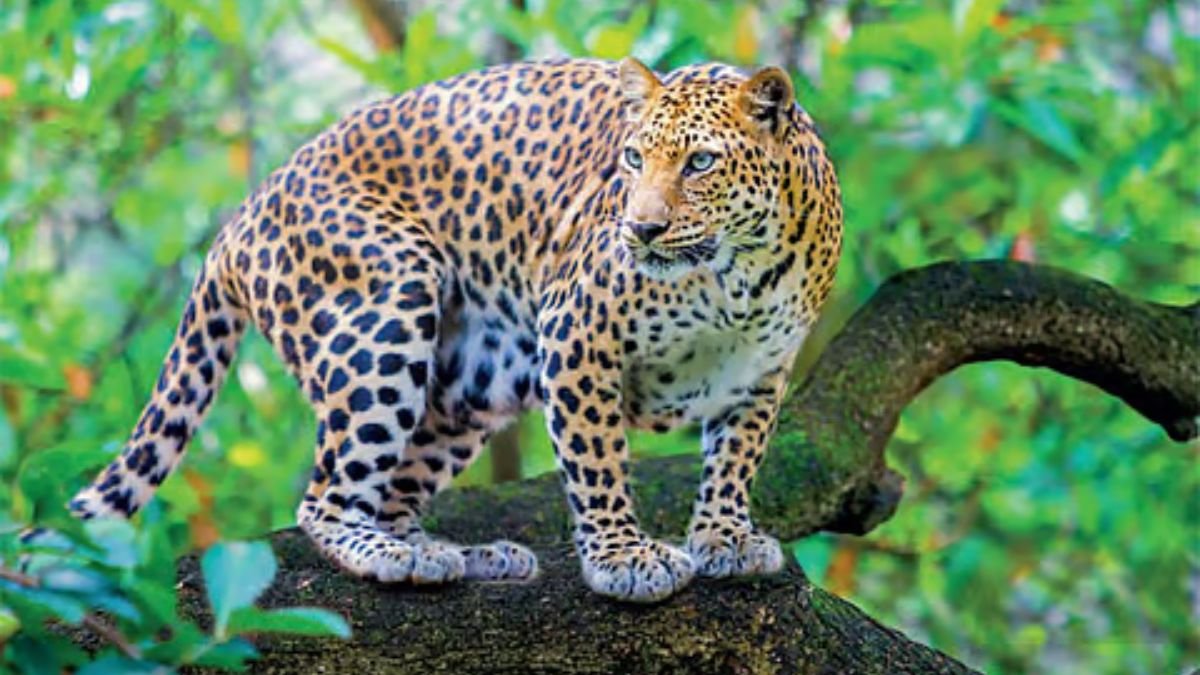
There are some forests on Earth where nature still hides its deepest secrets. Amid the dense trees, mist-shrouded valleys, and eerie silence, a movement is sometimes felt, suggesting the presence of an unseen predator. These are the rare leopards—those beautiful yet mysterious big cats that generally prefer to stay out of human sight. Leopards are already considered mysterious due to their agility, stealth hunting skills, and nocturnal habits. However, there are some forests in the world where their sighting is still considered a miracle. Let’s learn about seven mysterious forests where the presence of these rare leopards is still recorded.
Snowy Forests of the Amur Region—Russia’s Far East
The dense and snow-covered forests of the Amur Region, spread across Russia’s Far East, are home to the world’s rarest leopard—the Amur leopard. This region remains covered in snow for most of the year, temperatures sometimes drop well below zero, and the forests are so dense that sunlight barely reaches the ground.
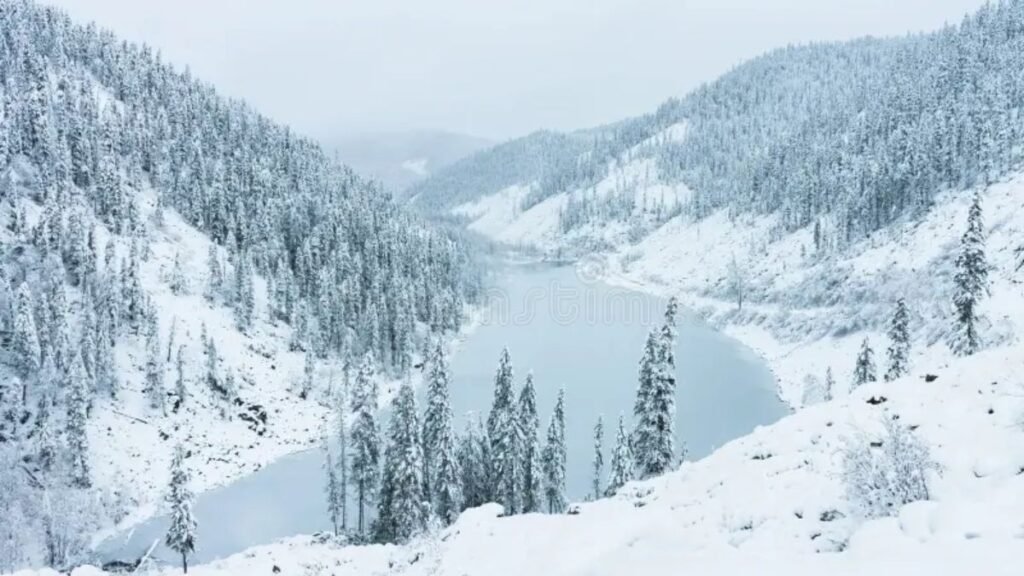
The Amur leopard survives in this harsh climate thanks to its thick fur and light color. In the silence of these forests, when tree branches break under the weight of snow, it seems as if an invisible shadow has passed through. Locals consider it a blessing to glimpse these leopards, as their numbers are extremely low and they maintain a close distance from humans.
Sundarbans Mangrove Forest – India and Bangladesh
Spread across the deltaic lands of the Ganges and Brahmaputra, the Sundarbans is the world’s largest mangrove forest. Tigers are famous here, but leopards have also been spotted in mysterious parts of the region. This tidal region is full of marshy lands, saltwater, and trees with tangled roots.
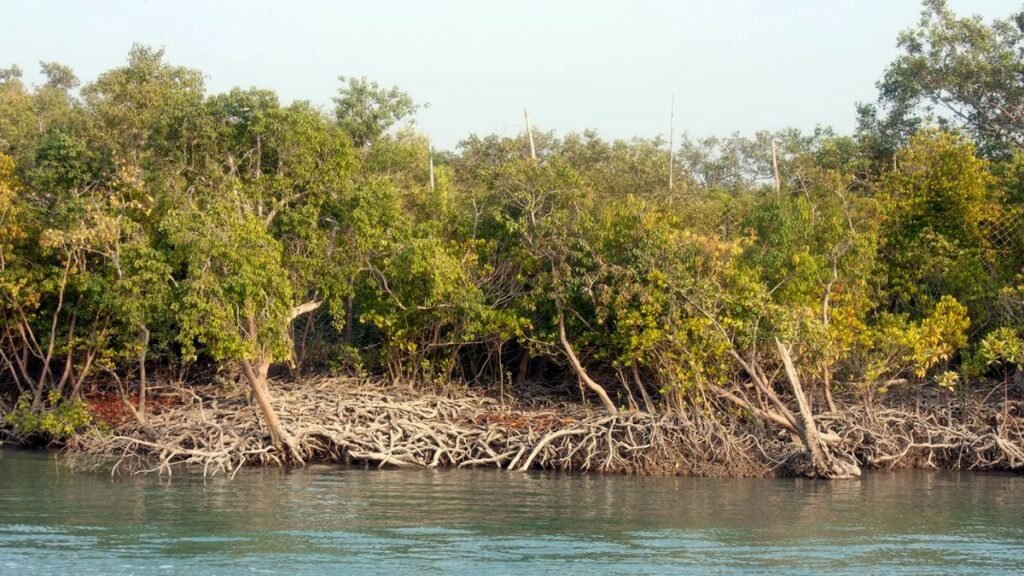
The environment here is so unique that the sudden appearance of any wild animal is heart-pounding. Leopards here rest in trees and emerge from the dense undergrowth in search of prey. During the mysterious nights of the Sundarbans, when mist and darkness blend seamlessly, the presence of these rare leopards becomes even more palpable.
Yala National Park, Sri Lanka
Located in the southeastern part of Sri Lanka, Yala National Park is renowned for its biodiversity. The Sri Lankan leopards found here are relatively large and gorgeous. The open grasslands, lakes, and dense bushes in Yala’s forests create an environment where leopards can easily hide.
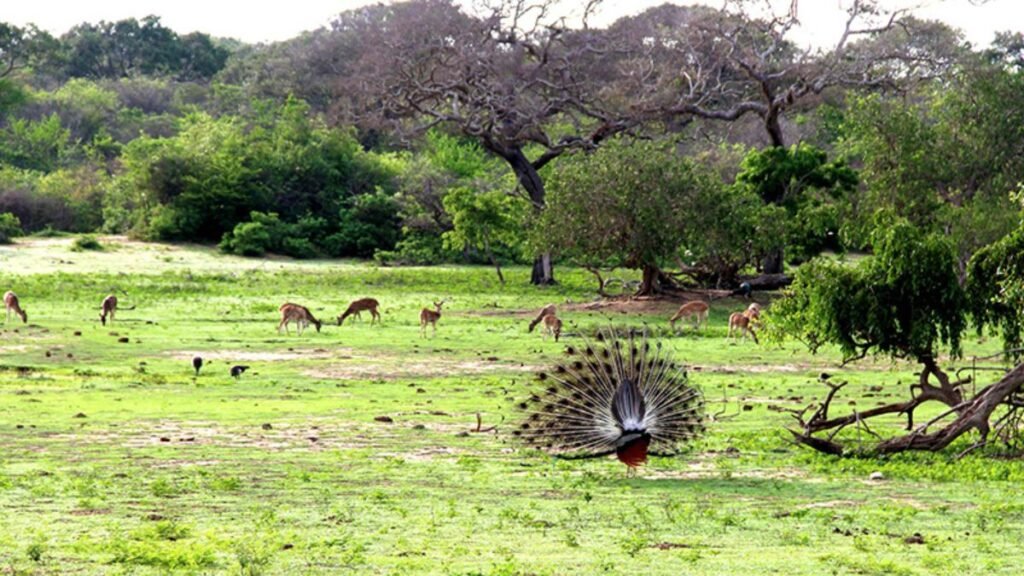
During the day, they are often seen sunbathing on rocks, but as dusk falls, their movements change and they disappear into the shadows of the forest. For tourists, spotting them is a thrilling experience, as every turn seems to be watched by mysterious eyes.
Congo Rainforest, Africa
The Congo Basin in Africa is considered one of the world’s densest and most mysterious rainforests. The forest here is so dense that many parts are rarely touched by human footsteps. It is in this dark and mysterious environment that African leopards maintain their presence. These leopards are highly adaptable and adept at climbing trees.
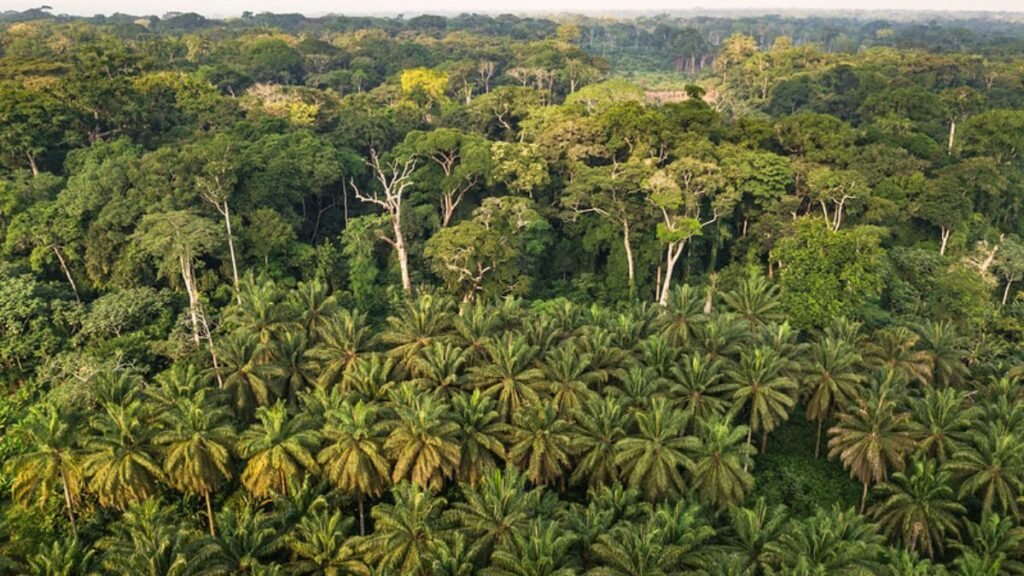
They have often been seen hanging their prey from trees to keep other predators away. When night falls in the Congo rainforest and only the sound of insects is heard, the shadows of these leopards add to the mystical story of the forest.
Alborz Mountain Forests of Iran
The forests of the Alborz Mountain Range in northern Iran are home to Persian leopards. This subspecies is known for its large size and strength. These leopards live inconspicuously among the hills, rocky slopes, and dense forests.
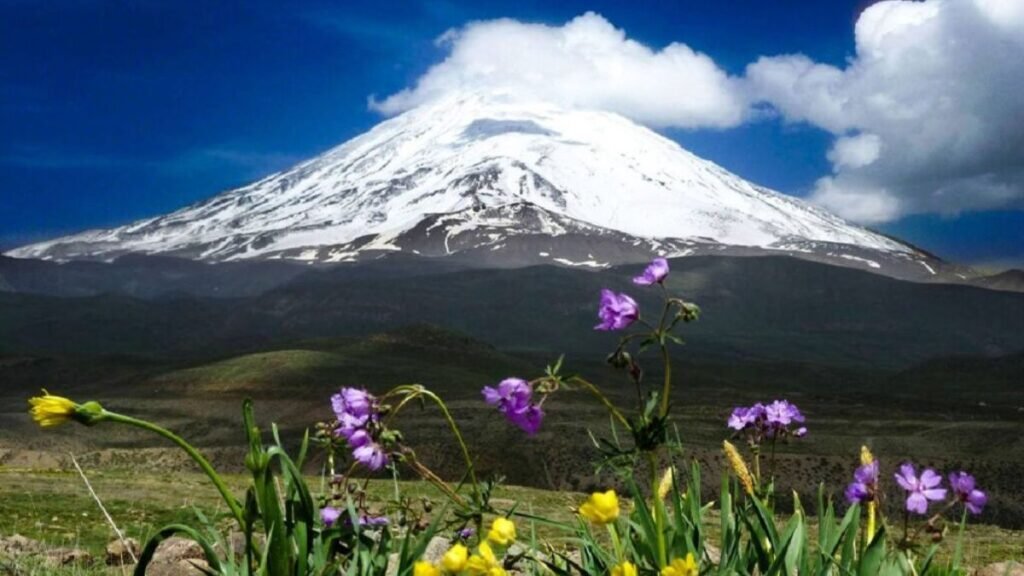
Local shepherds have often claimed to have seen them in the distant hills. The cool breeze and the rustling of the dense trees add to the region’s mysterious charm. The Persian leopard’s population is dwindling, so every sighting of it is considered a ray of hope for wildlife conservation.
India’s Western Ghats
India’s Western Ghats are known as a treasure trove of biodiversity. Its dense evergreen forests, waterfalls, and mist-shrouded hills provide ideal habitats for leopards. Leopards found in the Western Ghats are sometimes black in color, commonly known as “black panthers.
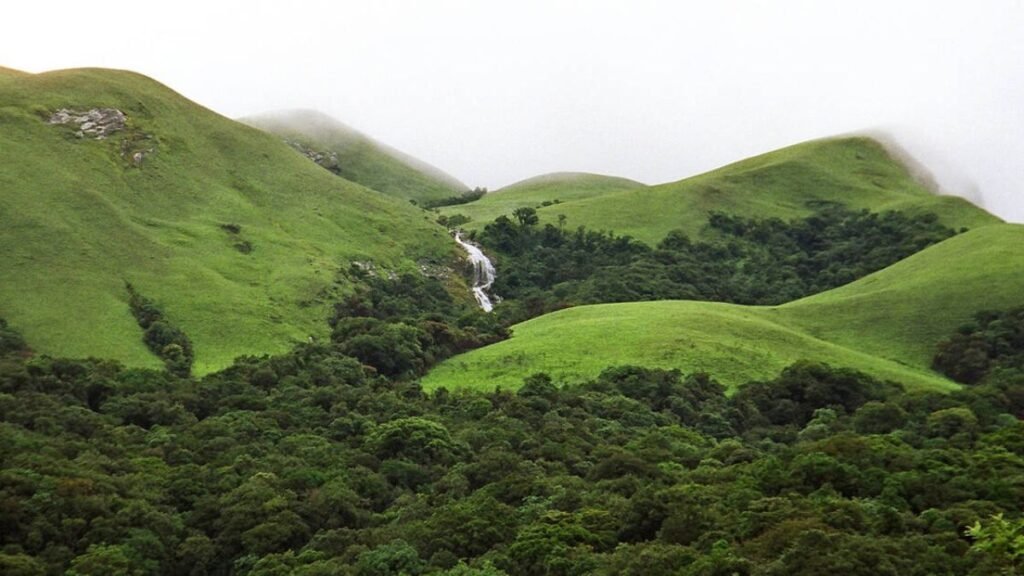
” These black leopards are striking with their shiny coats and sharp eyes. When the morning sunlight filters through the forest foliage and the distant sound of an animal echoes, the presence of these rare leopards becomes exciting.
Nepal’s Chitwan Region
Nepal’s Chitwan region is renowned for its rich wildlife. The grasslands and sal forests provide leopards with ample opportunities to hide and hunt. Although tigers are abundant here, leopards maintain their distinct identity.
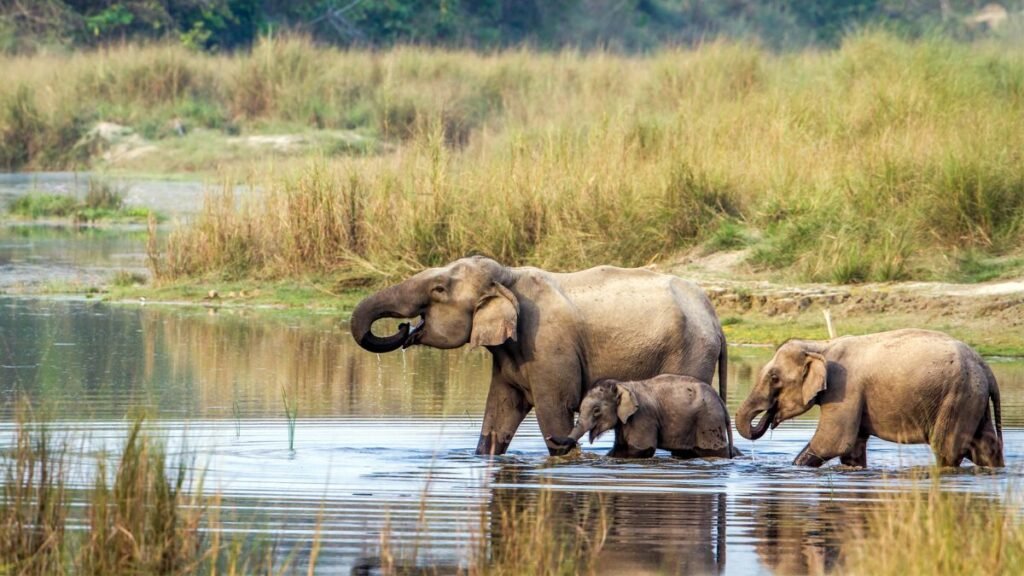
They are often seen resting on riverbanks or in dense bushes. On quiet Chitwan nights, when moonlight illuminates the forest like silver, even the slightest movement of a leopard fills the atmosphere with excitement.
The Mystery of Leopards and the Need for Conservation
All these forests have one thing in common—mystery and balance. Leopards are a vital part of their ecosystem. They control prey populations and maintain the health of the forest. However, due to poaching, habitat loss, and human-wildlife conflict, their numbers are declining in many areas. Therefore, it is our responsibility to protect these mysterious forests and their inhabitants. Only through conservation efforts, the participation of local communities, and awareness campaigns can we preserve these rare leopards for generations to come.
Conclusion
These seven mysterious forests of the world are not only symbols of natural beauty but also some of the last safe havens for the rare leopard. Every rustle, every shadow, and every footprint hidden in the silence of these forests tells a story—a story of life, struggle, and balance. Whenever we read or hear about these forests, we must remember that protecting them is essential not only for wildlife, but for the balance of the entire planet. The mysterious presence of these rare leopards teaches us that there is still much in nature that remains to be understood and cherished.