
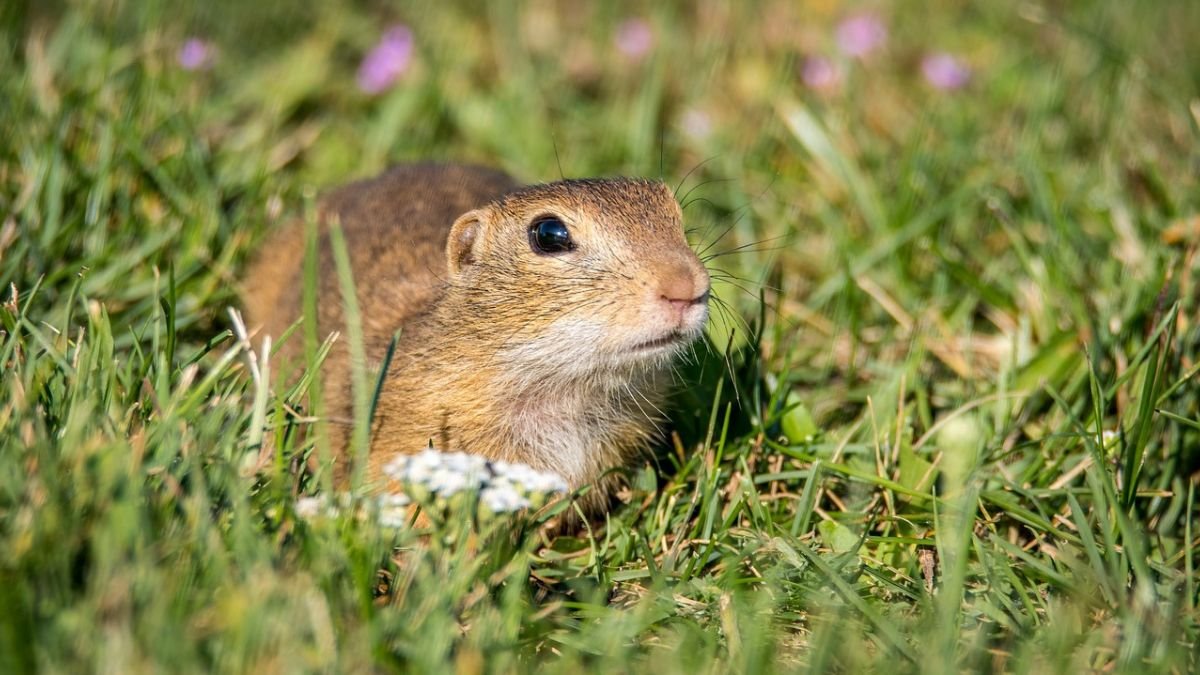
5 Smart Ways to Get Rid of Gophers: There are approximately 40 species of gophers found in North America, commonly known as “pocket gophers.” These are small, tunneling rodents that spend most of their time underground. While living in the soil, they survive by feeding on plant roots. Gophers are primarily found in open grassy areas, especially in the Midwest and Western regions of the United States. However, they sometimes intrude into gardens, fields, and home lawns and damage plants. Once they establish a location, they can gradually undermine the health of an entire garden by eating plant roots, vegetables, and flowers. Therefore, if plants suddenly begin to dry out in a garden or the soil appears eroded, it could be a sign that gophers are active there.
Differences between gophers, groundhogs, moles, and voles
Many people often confuse gophers with other ground-dwelling animals, such as groundhogs, moles, or voles. In fact, these are all different species. Gophers are relatively small, ranging from 5 to 14 inches long. They typically have brown or gray fur and special pouches in their cheeks, which they use to carry food and nesting materials. Groundhogs, also known as woodchucks, are much larger and heavier, weighing up to 14 pounds and measuring up to 25 inches long.
Moles and voles also live underground, but their identities are different. Moles are usually darker in color and have star-shaped noses, which help them detect insect movements in the soil. They create volcanic mounds of mud and feed primarily on insects, not plants. Voles, on the other hand, resemble small mice and dig shallow tunnels near the ground surface. Both gophers and voles eat plants, but gophers have greater digging abilities and stronger front claws.
Signs of Gopher Presence
Gophers are rarely seen above ground because their eyes are sensitive to bright light. They spend almost their entire lives inside their tunnels. Therefore, people often go unseen, but their presence can be detected by the signs they leave behind.
The most common signs are tunnels in the soil and piles of uprooted soil. When gophers tunnel underground, they expel soil, creating a horseshoe-shaped mound of soil. The opening of the tunnel is usually 2 to 3 inches wide, but sometimes gophers seal it with soil to prevent predators from entering.
Another major sign is damage to plants. If vegetables, flowers, or plants suddenly appear uprooted or their roots are severed in the garden, this could be the result of gopher activity. Gophers especially enjoy eating potatoes, sweet potatoes, dandelions, alfalfa, tree roots, and flower bulbs. Sometimes, plants suddenly disappear because gophers pull them down, along with their leaves, into their tunnels.
Gopher Prevention and Control Methods
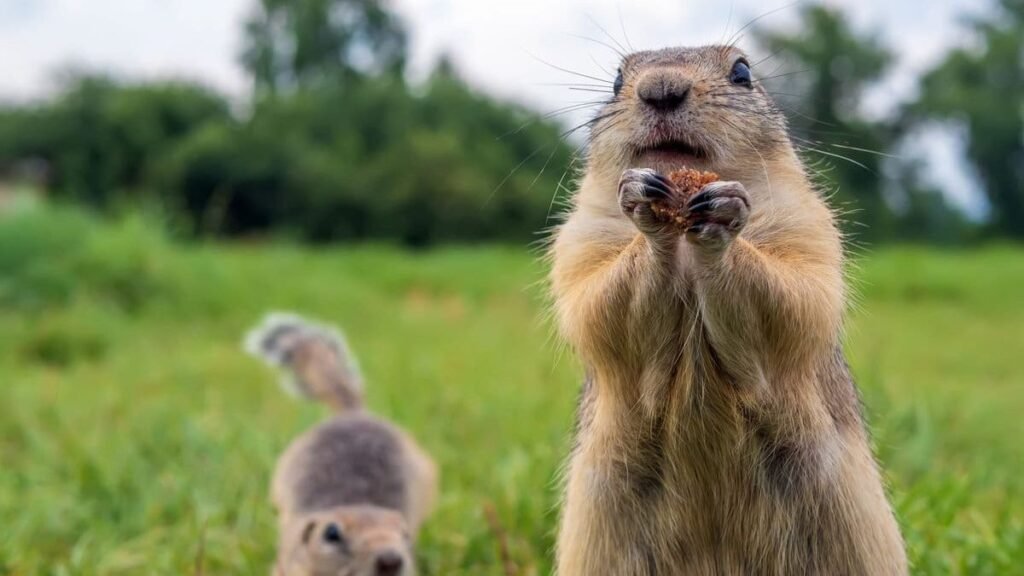
It’s possible to completely eliminate gophers, but the best approach is to prevent them from entering your garden in the first place. By adopting natural and environmentally friendly methods, you can significantly reduce the problem.
1. In-Ground Fencing
Ordinary fencing isn’t very effective at deterring gophers because they can tunnel underground. Therefore, it’s important to partially bury the fence underground. If strong mesh wire is buried about two and a half to three feet deep in the soil, with a portion of it remaining above ground, it makes it difficult for gophers to enter. This method is laborious, but provides long-term protection.
2. Additional Protective Barriers
In areas where gopher problems are severe, a special type of mesh called “gopher mesh” can be laid beneath the lawn. This prevents them from tunneling under the grass. Wire baskets called “gopher baskets” are also used to protect plant roots. If budget-conscious, such baskets can be made at home using mesh wire.
3. Using Natural Repellents
There are many natural substances whose odors are unpleasant to gophers. Substances like fish paste, blood meal, castor oil, hot peppers, or the scent of predators can be used. Spraying these around the garden will gradually deter gophers. Replanting them after rain or every few days is essential.
4. Planting Plants That Keep Gophers Away
The strong scent of some plants repels gophers rather than attracting them. Planting plants like rosemary, lavender, marigold, allium, or daffodils along the garden’s borders can act as natural protection. This will also reduce other pests and enhance the garden’s appearance.
5. Attracting Natural Predators
Gophers also play a role in environmental balance because their digging aerates the soil. They are also food for many larger animals, such as hawks, foxes, coyotes, and owls. If nesting or safe spaces are created around the garden for owls and excessive lighting is reduced at night, these predators will begin to visit, and the gopher population may naturally decrease.
Conclusion
Gophers may be small, but they are a significant threat to gardens and farms. Gophers can become a serious nuisance. Proper identification, recognizing early signs, and adopting natural remedies are the safest and most effective methods of controlling them. Using the right fences, natural repellents, and plant protection can help prevent gophers and keep your garden healthy and lush.
FAQs
Q. What is a gopher?
A. A gopher is a small burrowing rodent that lives underground and feeds mainly on plant roots and vegetation.
Q. How can I tell if gophers are in my yard?
A. Signs include horseshoe-shaped dirt mounds, underground tunnels, damaged plants, and missing roots or bulbs.
Q. Are gophers harmful to gardens?
A. Yes, gophers can damage gardens by eating plant roots, vegetables, and flower bulbs.

